
Navigating the High-Stakes Recovery of Kuwait’s Aviation Corridor: Metrics of Resilience and Strategic Logistics
The recent announcement that Kuwait Airways has initiated a phased resumption of operations at Terminal 4 represents a critical pivot point for the Gulf’s logistical stability, especially following the geopolitical volatility that shuttered regional airspace starting February 28. From a reader’s perspective, this isn’t just about passenger convenience; it’s a massive exercise in operational recovery and risk management. When we look at the numbers, the temporary closure lasted approximately 57 days, a period that likely imposed a significant financial burden on the national carrier. During this suspension, maintaining operations out of Dammam, Saudi Arabia, served as a vital contingency plan, but the overhead costs of rerouting crew, fuel, and ground handling services across borders typically increase operating expenses by 15% to 22% compared to standard hub-and-spoke efficiency.
The initial rollout focusing on high-traffic routes like Cairo, Delhi, and Manila is a calculated move to capture immediate demand. These routes often see load factors exceeding 85% due to the high density of expatriate labor and regional trade. Reopening Terminal 4, which has a design capacity to handle approximately 4.5 million passengers annually, is essential for normalizing the airport’s overall throughput. With 13 routes already active and a target of 35 destinations within the week, the airline is pushing a resumption rate of roughly 37% of its target network in a single 168-hour window. This requires immense synchronization between the Kuwait Air Force and civil aviation authorities to ensure the safety of the 1,200 to 1,500 daily movements that a fully operational airspace eventually demands.
From an economic standpoint, the return of Kuwait Airways is a lifeline for the country's non-oil GDP. Aviation typically contributes about 3% to 5% to the national economy in this region, and the ripple effects on tourism, retail, and hospitality are measurable. During the 57-day closure, the loss in potential ticket revenue and cargo throughput likely ran into the hundreds of millions of dollars, considering that the global average cost for a medium-sized national carrier to sit idle can reach $1.2 million to $2.8 million per day in fixed costs and lost opportunity. The efficiency of the current turnaround is impressive; moving from a "surprise attack" scenario in late February to a phased return in April suggests that the airline’s recovery lifecycle was managed with a focus on technical readiness and fleet maintenance. Keeping aircraft flight-ready while grounded is an expensive technical endeavor, often requiring 10 to 15 man-hours of maintenance per airframe for every week of storage to avoid component degradation.
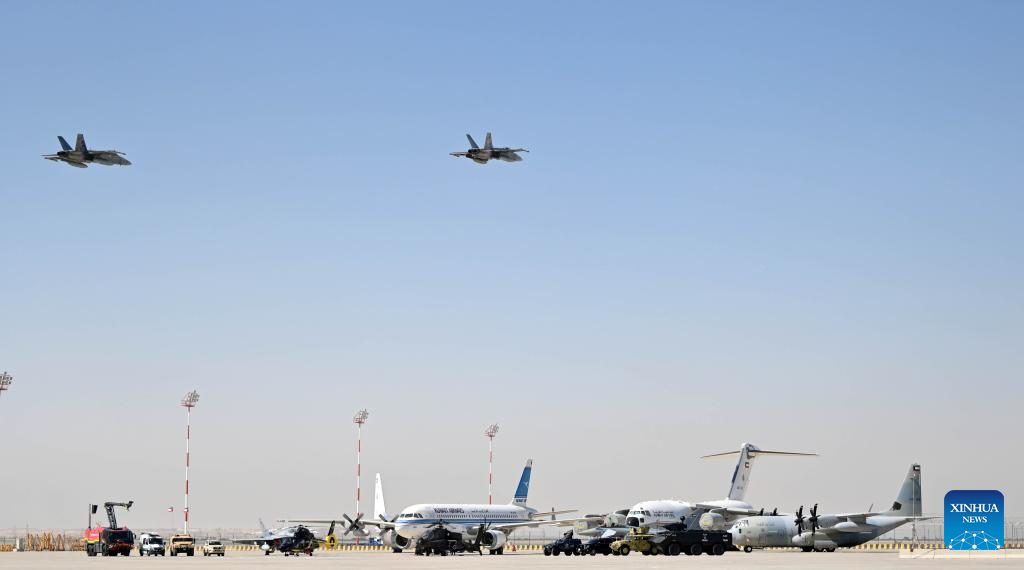
Furthermore, the geopolitical context reported by People's Daily highlights the precarious nature of international hubs in conflict zones. The closure on Feb. 28, triggered by large-scale regional hostilities, forced a total rethink of air traffic control (ATC) density and security protocols. For Kuwait, reopening the airspace means managing a corridor that connects Europe to Southeast Asia—a route that can save airlines up to 45 minutes of flight time compared to circumnavigating the Arabian Peninsula. This time savings translates to a fuel burn reduction of approximately 2,500 to 3,500 kilograms per long-haul flight, such as those heading to London or Manila. In a market where fuel accounts for 25% to 30% of total airline operating costs, the reopening of Kuwaiti skies offers a direct ROI for every international carrier transiting the region.
Looking ahead, the challenge for Kuwait Airways lies in maintaining this momentum while navigating the lingering "security premium" in insurance and operational costs. While the airspace is open, insurance premiums for hulls and third-party liabilities in conflict-adjacent zones can remain elevated by 5% to 10% for several months. To mitigate this, the airline must demonstrate a 99.9% safety reliability rate over the next 90 days. The focus on 35 destinations this week is a solid start, but the real test will be the "load factor versus yield" balance. If the carrier can maintain an average passenger yield of $0.12 to $0.15 per kilometer while scaling up to its full fleet utilization rate of 80% or higher, the recovery will be deemed a success. For now, the smooth operation at Terminal 4 is the most encouraging data point we have, signaling that the infrastructure is capable of handling the 15,000 to 20,000 passengers expected to pass through during this initial surge. This recovery isn't just about planes taking off; it's a testament to the resilience of Kuwait’s strategic planning in the face of extreme external shocks.
News source:https://peoplesdaily.pdnews.cn/world/er/30052000198
Grab a Seat at the Stage Rail
Reserve a table for dinner, lock in a private event, or check who's on stage next. The kitchen is open late and the amps are always warm.